Analysis of TRZN Onion
Comprehensive operational history, structural overview, and technical feature review of the Torzon ecosystem.
01 Executive Summary
TRZN Onion functions as a dedicated hidden service operating exclusively within the Tor network architecture. Recognized broadly within security research circles as the Torzon platform, it facilitates encrypted communications and peer-to-peer exchanges focusing primarily on digital assets and commodities.
The platform distinguishes itself through a rigorous adherence to operational security protocols, eschewing legacy architectures in favor of modern cryptographic integrations. Observers note its interface design prioritizes low-bandwidth efficiency—a crucial metric for onion routed traffic—ensuring stable connections even during periods of high network latency.
02 Technical Architecture
Analytical reviews of the platform's infrastructure reveal a specialized focus on privacy-enhancing technologies. The core of TRZN Onion's operational security relies on mandatory PGP (Pretty Good Privacy) encryption for external communications and account recovery procedures.
- Cryptocurrency Support: To mitigate blockchain tracing, the platform has standardized on Monero (XMR) as the primary medium of exchange, leveraging its ring signatures and stealth addresses.
- Escrow Protocols: Transactions are routed through a traditional decentralized escrow system, with emerging support for multisignature (multisig) arrangements that prevent unilateral fund movement.
- DDoS Mitigation: The infrastructure employs aggressive anti-DDoS challenge-response mechanisms, utilizing dynamic proof-of-work captchas to filter automated layer-7 attacks.
03 Historical Timeline
Inception & Network Launch
The underlying framework for the TRZN Onion architecture was quietly deployed into the V3 onion space, initially focusing on stress-testing its custom escrow engine.
Monero-Only Standardization
Observing broader market trends and privacy requirements, the platform phased out legacy transparent ledgers entirely, mandating XMR for all internal routing.
Infrastructure Hardening
Implementation of the current multi-node mirror rotation system, designed specifically to circumvent persistent denial-of-service operations targeting the main directories.
Network Statistics
Interface Archive
Historical captures of the platform's UI architecture for research indexing.

Fig 1. DDoS Protection Screen
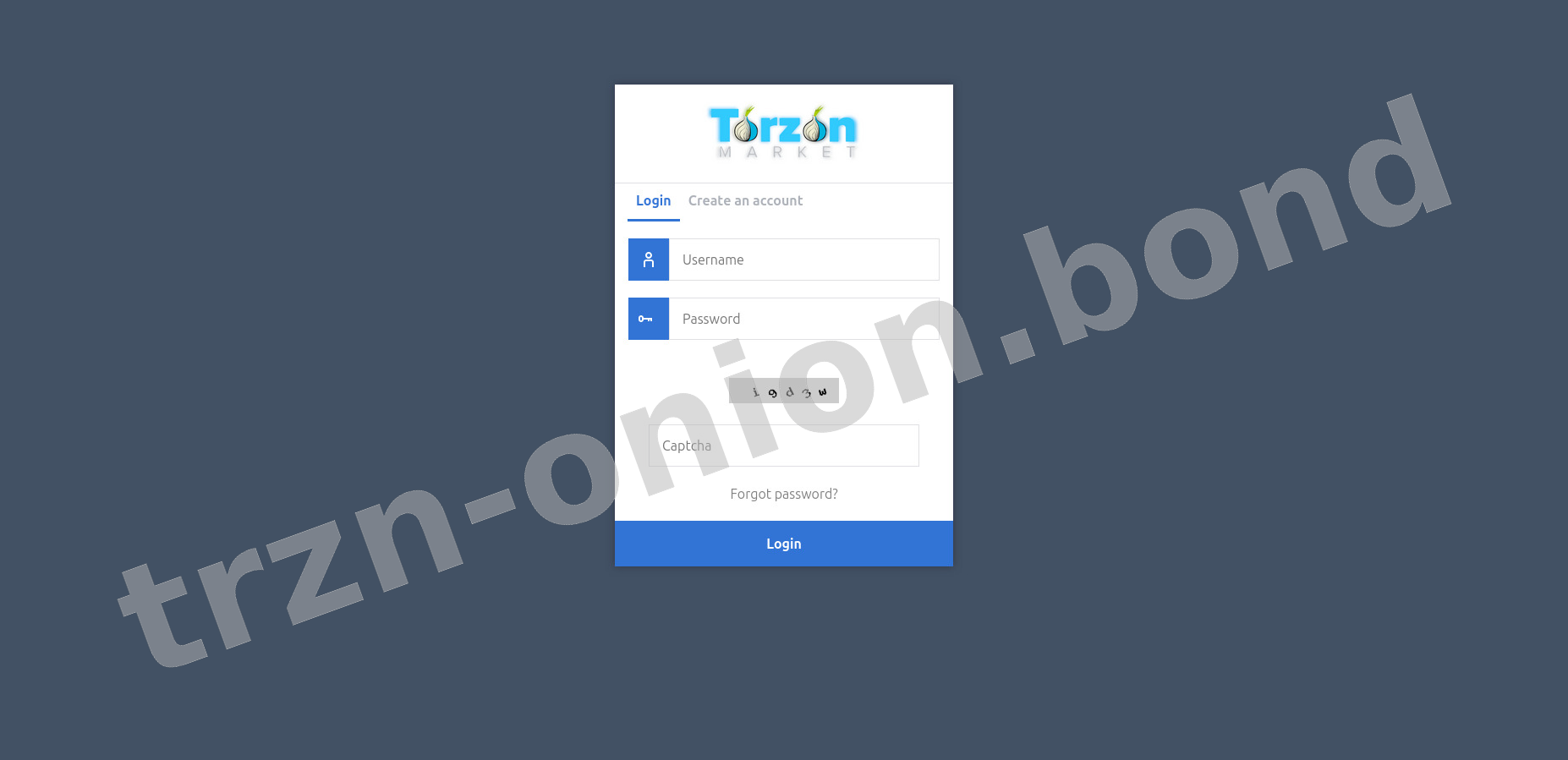
Fig 2. User Login Interface
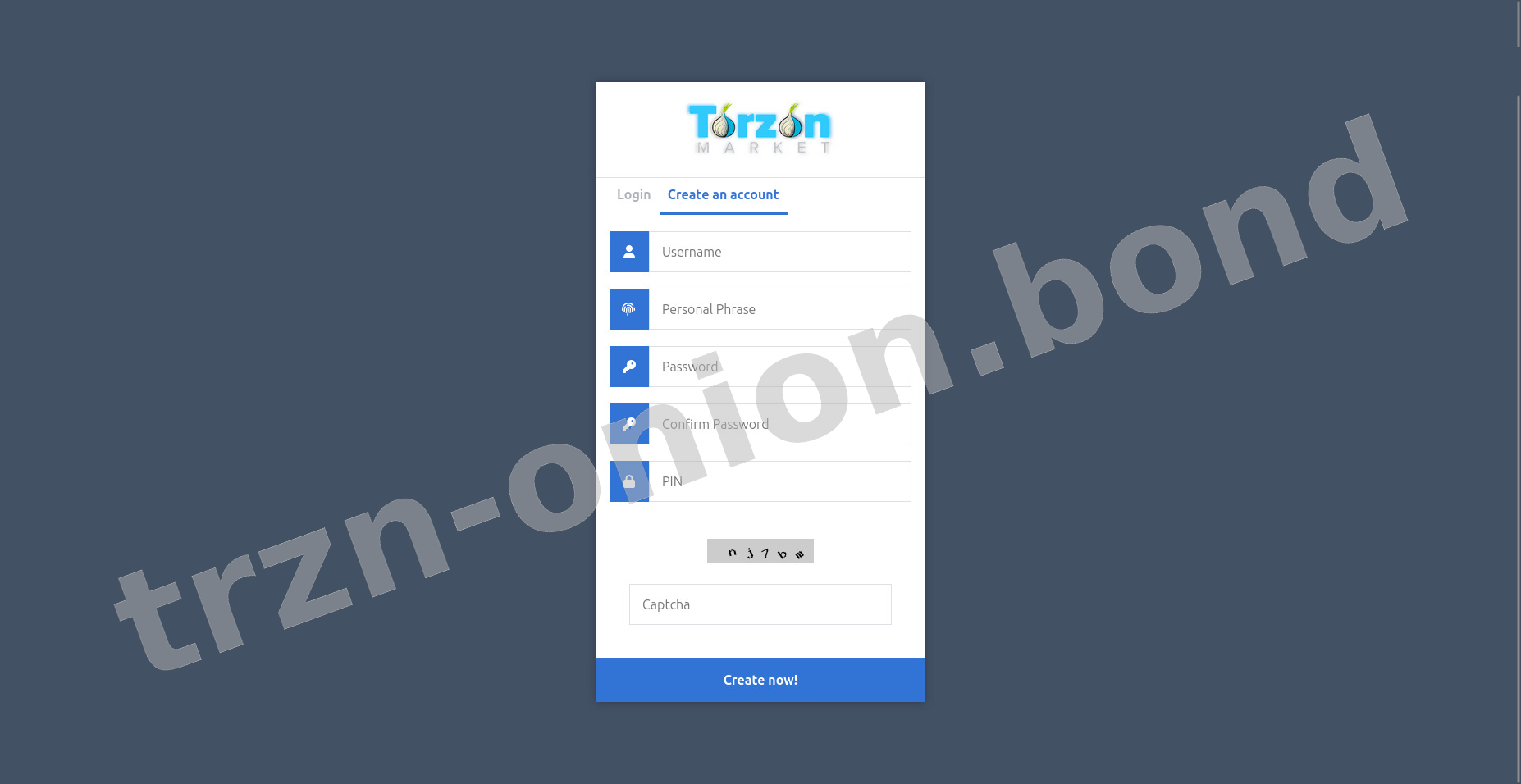
Fig 3. Account Registration Page
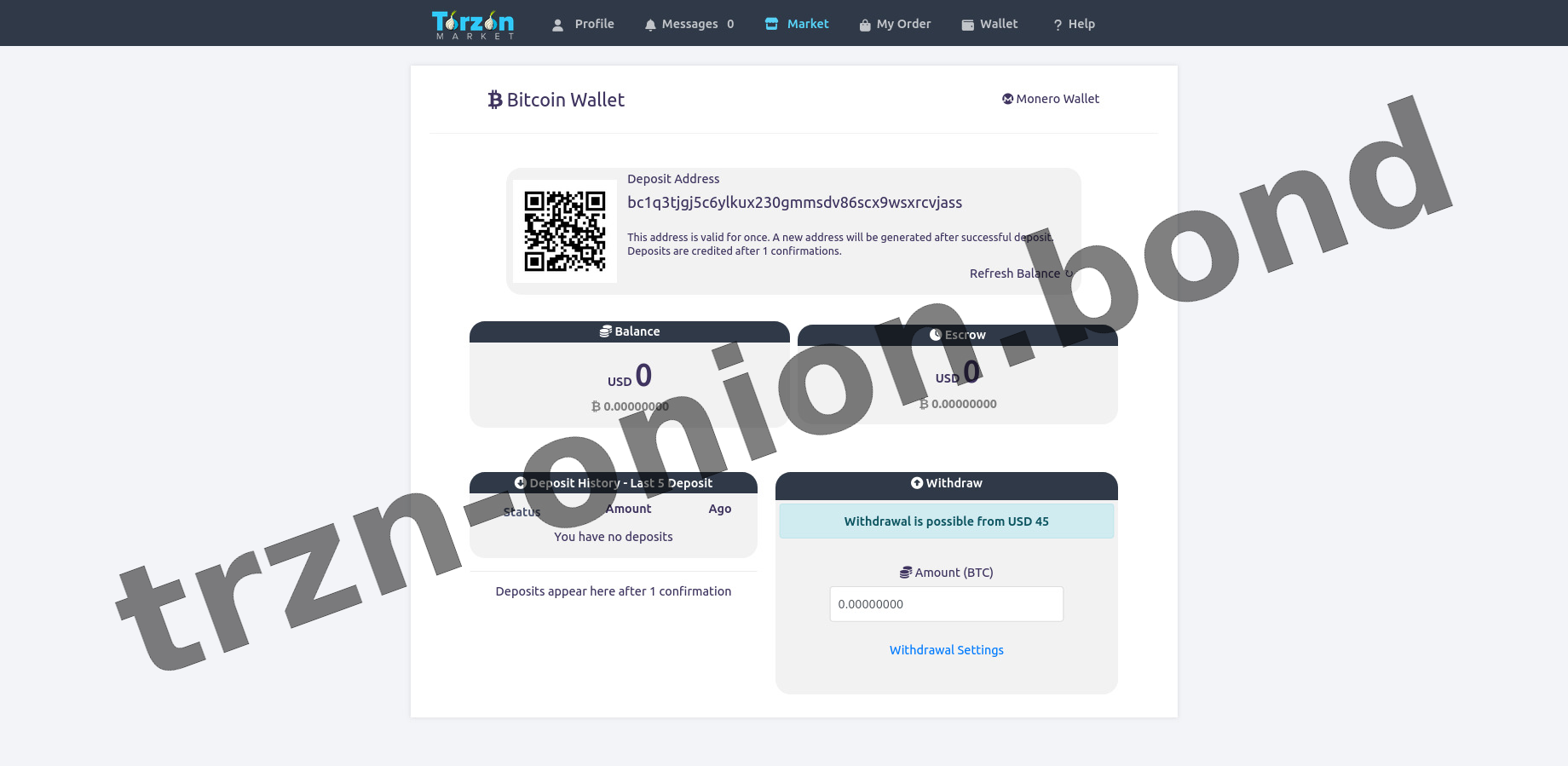
Fig 4. Main Market Dashboard